Max Solar Gains: How Much Energy Panels Generate
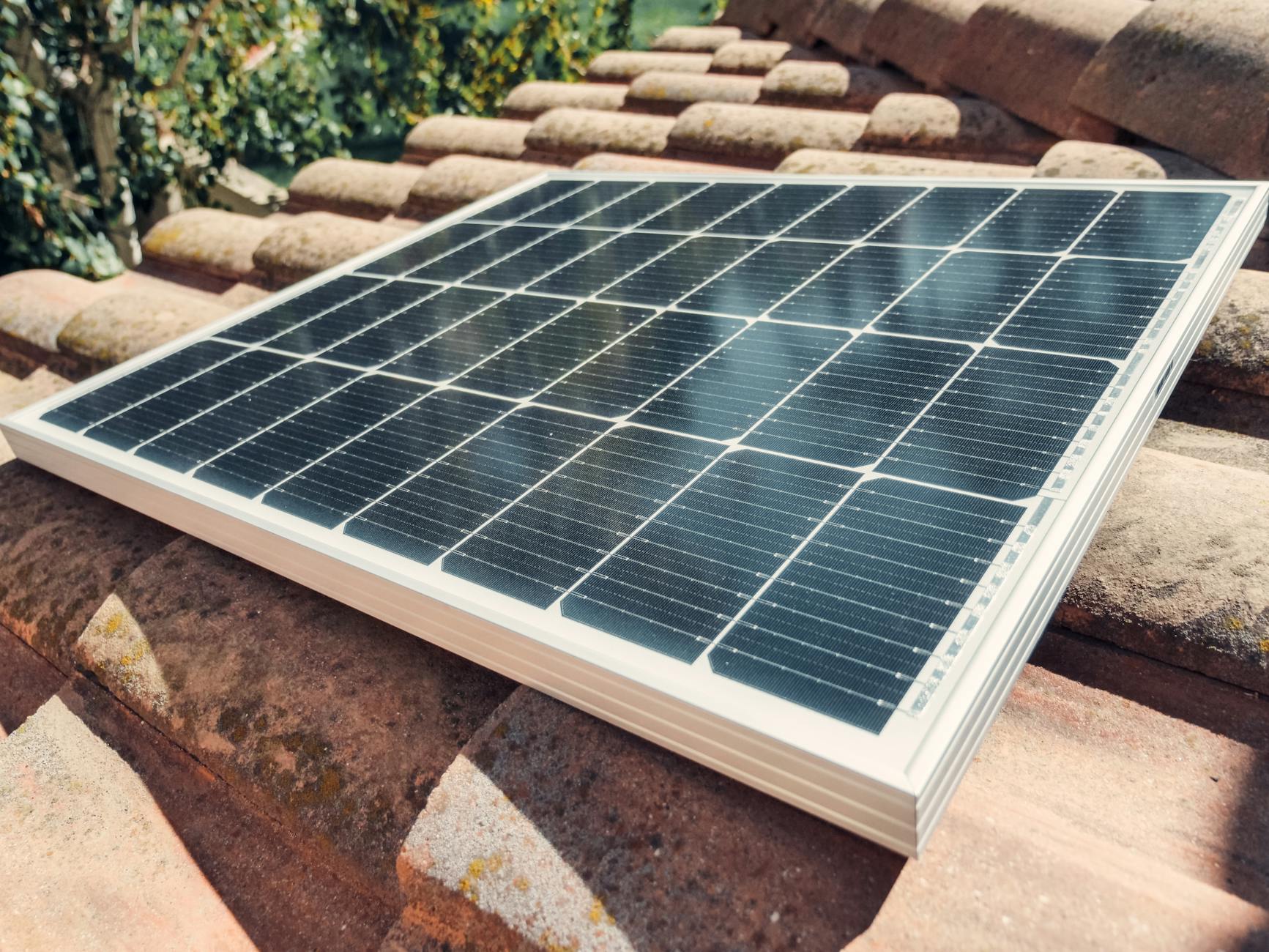
In the quest for sustainable and eco-friendly energy sources, solar power has emerged as a front-runner. With advancements in technology, solar panels have become more efficient and affordable, making them an attractive option for both residential and commercial applications. This detailed guide aims to shed light on the efficiency of solar panels and how to harness their full energy output potential, thereby maximizing solar gains.
Understanding Solar Panel Efficiency
Solar panel efficiency is a measure of a panel's ability to convert sunlight into electricity. This factor is critical in determining how much energy a solar panel can generate. The efficiency of a panel depends on several aspects, including the type of solar cells used, the quality of materials, and the technology employed in the manufacturing process. In general, the efficiency of commercial solar panels ranges from 15% to 20%, with some high-efficiency models reaching up to 22% to 23%.
Types of Solar Panels
There are three main types of solar panels, each with a different efficiency rate:
-
Monocrystalline Solar Panels - These are made from single-crystal silicon and tend to be the most efficient, with efficiency rates typically ranging from 18% to 22%.
-
Polycrystalline Solar Panels - Made from fragments of silicon crystals melted together, these panels generally have an efficiency rate between 15% to 17%.
-
Thin-Film Solar Panels - These panels are made by depositing one or more thin layers of photovoltaic material on a substrate. They have the lowest efficiency rates, usually around 10% to 13%, but they are lightweight and flexible.
Factors Influencing Energy Output
The amount of energy that solar panels generate isn't only about the efficiency rating. Several factors impact the actual energy output:
Geographic Location
Solar energy production is highly dependent on geographic location. Regions closer to the equator will typically receive more sunlight than those farther away. Consequently, solar panels in these areas can potentially generate more energy given the same rated capacity.
Orientation and Tilt
The orientation and tilt of your solar panel installation play a significant role in energy production. Panels should ideally be installed facing true south (in the northern hemisphere) and positioned at an angle that equals the latitude of the location to capture the maximum amount of sunlight.
Shading
Shading from trees, buildings, or other obstructions can significantly reduce the energy output of solar panels. Even a small amount of shade can impact performance, so it's essential to consider potential shading issues before installation.
Temperature
Solar panels operate most efficiently in cooler conditions. High temperatures can reduce the efficiency and, consequently, the power output. This is because as solar cells get hotter, their ability to convert sunlight into electricity diminishes.
Maximizing Solar Gains
To harness the full potential of your solar panels, consider the following strategies:
-
Regular Maintenance - Keep your panels clean and dust-free to ensure they can absorb as much sunlight as possible.
-
Energy Monitoring - Install energy monitors to track the performance of your solar panels, and make adjustments as necessary.
-
Smart Inverters - Use smart inverters that can optimize the energy production of your solar panels throughout the day.
-
Battery Storage - Include a battery storage system to store excess energy generated during peak sun hours for use during lower production times or at night.
-
Government Incentives - Take advantage of any government rebates or incentives that can help offset the initial cost of your solar panel installation and encourage maximum utilization.
Conclusion
Solar panels offer a reliable, renewable energy source that can significantly reduce both utility bills and carbon footprints. By understanding solar panel efficiency, the factors that affect energy output, and employing strategies to maximize energy gains, solar panel owners can ensure they're getting the most out of their investment. As technology continues to advance, we can expect even greater efficiencies and more innovative solutions to optimize solar power generation in the years to come.